
The Next Wave of 3D Printing

3D printing has long been promoted as one of construction’s most exciting future technologies. For years, it sat somewhere between innovation showcase and industry experiment — impressive to watch, but difficult to imagine becoming mainstream.
That’s starting to change.
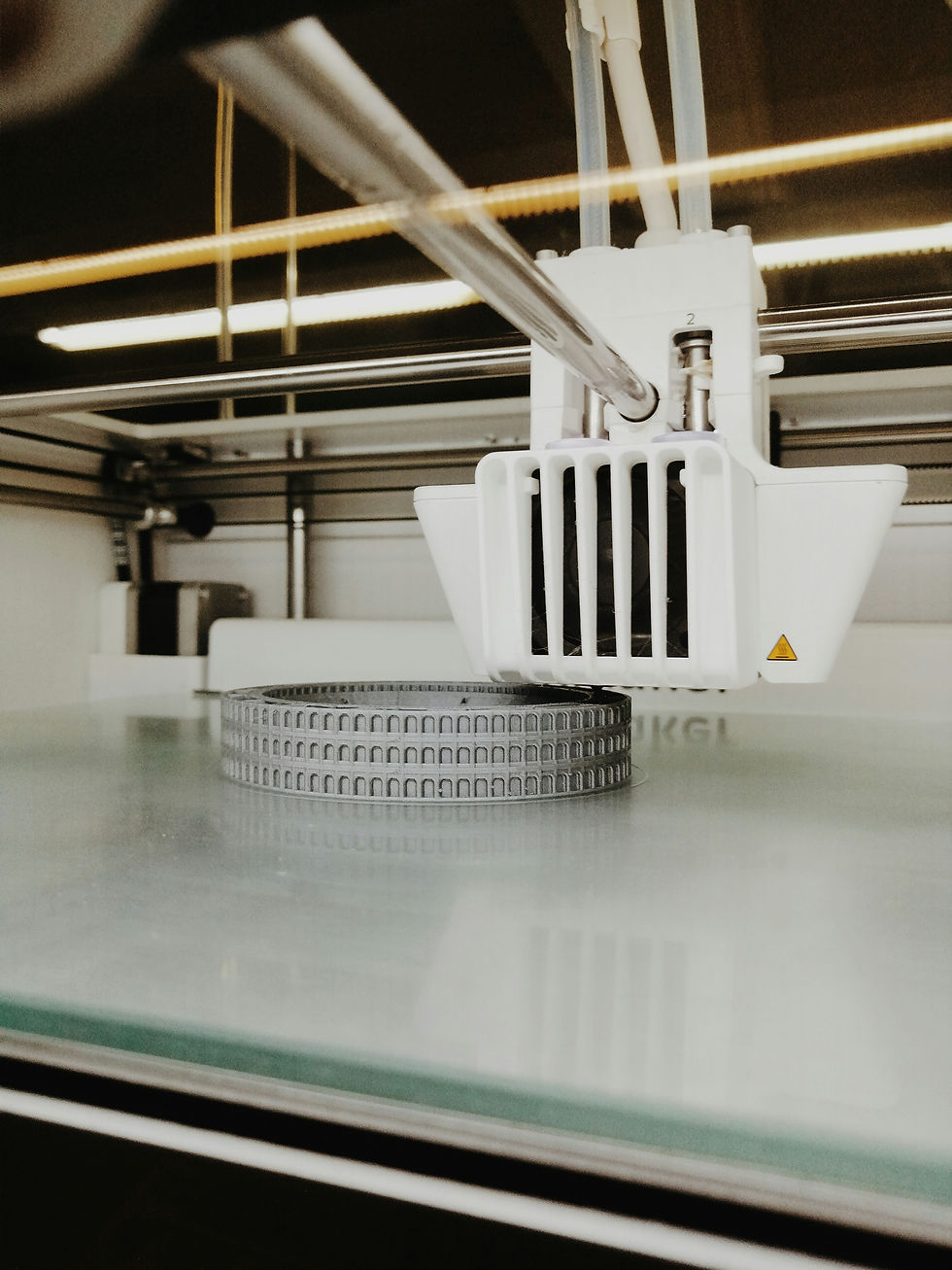
Recent advances in robotics, materials engineering, and automated construction systems are rapidly pushing 3D printing beyond novelty status. Around the world, companies are now delivering real residential homes, commercial buildings, modular components, and infrastructure using large-scale additive manufacturing systems.
The technology is no longer asking if it can be used in construction. The conversation is shifting toward where it makes the most sense.
Why Construction Is Paying Attention
One of the biggest pressures facing the global construction industry is productivity.
Labour shortages, rising material costs, compliance demands, and project delays continue to squeeze margins across both residential and commercial sectors. Builders are increasingly looking for technologies that can improve efficiency without compromising structural performance or build quality.
This is where 3D printing becomes interesting.
Large-scale construction printers are capable of producing walls, structural components, and building sections with minimal manual labour. Some systems can complete structural wall forms in a matter of days rather than weeks.
That doesn’t eliminate the need for skilled trades — but it does reduce repetitive labour-intensive tasks that slow projects down.
Beyond “Printed Houses”
When most people think of 3D printing in construction, they picture futuristic concrete homes being printed layer by layer onsite.
While that technology absolutely exists, the next wave of innovation is broader than that.
The industry is increasingly moving toward:
Printed modular components
Custom architectural elements
Precast concrete systems
Lightweight structural forms
Infrastructure components
Rapid prototyping for commercial builds
Rather than replacing traditional construction entirely, 3D printing is becoming another specialised tool within the wider building ecosystem.
That shift makes the technology far more commercially viable.
Material Technology Is Improving Fast
Early concerns around durability and compliance slowed adoption in many regions. However, material science has advanced significantly in recent years.
Modern printable concrete mixes now offer:
Improved structural performance
Faster curing times
Better thermal properties
Reduced shrinkage and cracking
Lower material waste
Some companies are also experimenting with recycled materials, low-carbon cement alternatives, and hybrid composite systems designed specifically for additive manufacturing.
As sustainability requirements continue to increase globally, waste reduction alone could become one of 3D printing’s biggest advantages.
Where It Could Make Sense In New Zealand
New Zealand is unlikely to see fully printed suburbs appearing overnight. The realities of compliance, geography, logistics, and market size mean adoption here will probably happen gradually.
However, there are several areas where the technology could become highly relevant:
Remote or difficult-access builds
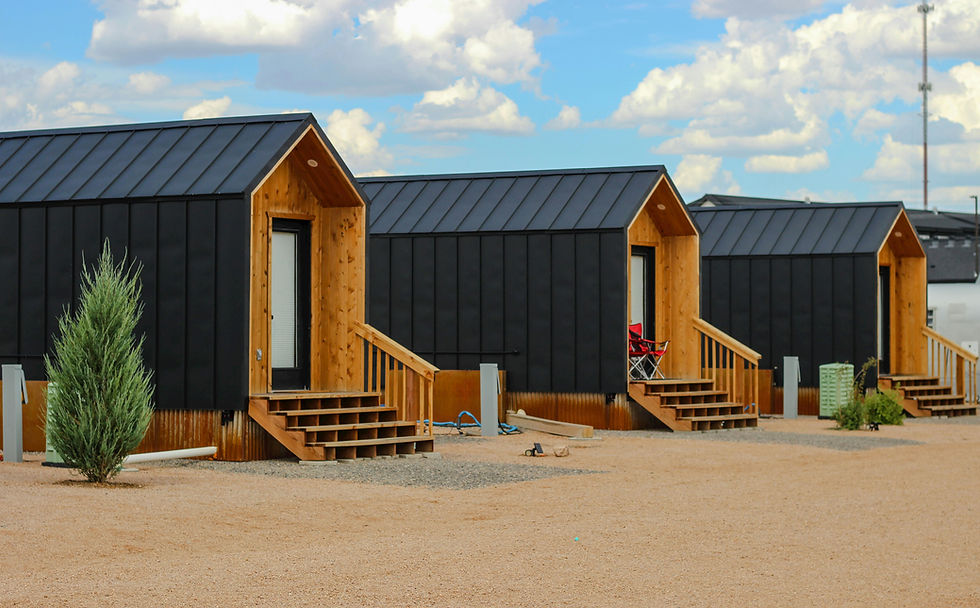
Modular housing production
Infrastructure and civil works
Emergency accommodation
Architectural concrete features
Fast-turnaround commercial projects
The prefabrication sector may ultimately become the strongest bridge between traditional NZ construction and advanced additive manufacturing.
The Challenges Still Facing The Industry
Despite the momentum, there are still major hurdles to overcome.
Equipment costs remain extremely high, regulatory frameworks are still developing, and many systems require specialist operators and engineering support.
There are also practical questions around:
Building code compliance
Long-term durability
Insurance and warranties
Skilled workforce integration
Transport and logistics
Integration with traditional trades
For now, 3D printing works best as a complementary technology rather than a complete replacement for conventional building methods.
The Bigger Picture
The real significance of 3D printing may not be the machines themselves — but what they represent.
Construction has historically been slower than many industries to adopt automation. That is beginning to change rapidly.
Digital fabrication, robotics, AI-assisted design, modular manufacturing, and automated construction systems are all moving in the same direction:
faster delivery
lower waste
greater precision
improved scalability
3D printing sits directly in the middle of that transition.
The next decade will likely determine whether additive manufacturing becomes a specialised niche or a foundational part of modern construction. Either way, the technology is evolving far beyond the experimental stage — and the industry is starting to take it seriously.
Comments