
5 Construction Technologies NZ Builders Should Be Watching

The construction industry is changing faster than it has in decades. Labour shortages, rising costs, tighter timelines, and increasing compliance requirements are forcing builders to rethink how projects are delivered.
While New Zealand has traditionally been slower to adopt new construction technology than larger international markets, that gap is beginning to close quickly. Across Europe, Asia, Australia, and North America, smarter building systems and digital construction tools are already reshaping how projects are designed, managed, and built.
Many of these technologies are no longer “future concepts” — they are practical tools being used right now to improve speed, accuracy, safety, and profitability.
Here are five construction technologies NZ builders should be paying close attention to.
1. Prefabrication & Modular Construction
Prefabrication is rapidly becoming one of the biggest shifts in global construction.
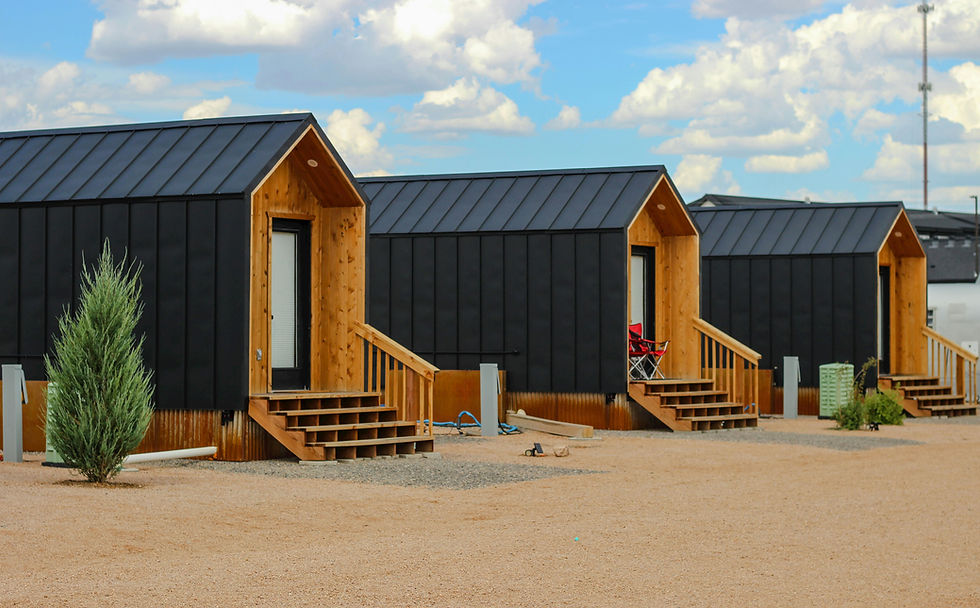
Instead of building everything on-site, major components are manufactured in controlled factory environments before being delivered ready for installation. This can include wall systems, floor cassettes, bathroom pods, roof structures, and fully modular buildings.
The advantages are significant:
Faster build times
Reduced labour requirements
Better quality control
Less weather disruption
Reduced site waste
Improved programme certainty
As labour pressures continue across New Zealand, prefab and panelised systems are becoming increasingly attractive for both residential and commercial projects.
Globally, countries like Sweden and Japan have already embraced factory-led construction at scale. NZ is beginning to follow that trend, particularly as developers look for faster and more predictable delivery methods.
2. AI-Powered Estimating & Project Management
Artificial intelligence is beginning to transform the administrative side of construction.
Modern estimating platforms can now analyse drawings, quantify materials, identify risks, and generate pricing insights far faster than traditional manual processes.
AI is also improving:
scheduling
project forecasting
procurement planning
document management
site reporting
defect tracking
For builders, this means less time spent on repetitive administration and more time focused on delivery.
As these systems improve, businesses that adopt digital workflows early are likely to gain major efficiency advantages over competitors still relying on disconnected spreadsheets and manual processes.
The next decade of construction won’t just be about building better — it will be about managing information better.
3. Connected Power Tools & Smart Jobsite Equipment
Modern construction tools are no longer just about power — they are becoming part of a connected digital jobsite ecosystem.
Across global markets, manufacturers are rapidly developing smarter equipment platforms that combine:
advanced battery technology
tool tracking
usage analytics
theft prevention
digital diagnostics
cloud-based fleet management
Today’s professional-grade systems can already:
track tool locations
monitor battery health
flag servicing requirements
manage inventory across multiple sites
improve safety compliance
reduce downtime
At the same time, major advances in battery performance are allowing cordless systems to replace traditionally petrol-powered or corded equipment across a much wider range of applications.
This shift is accelerating the adoption of:
high-output cordless cutting systems
concrete and demolition equipment
dust extraction systems
compact site machinery
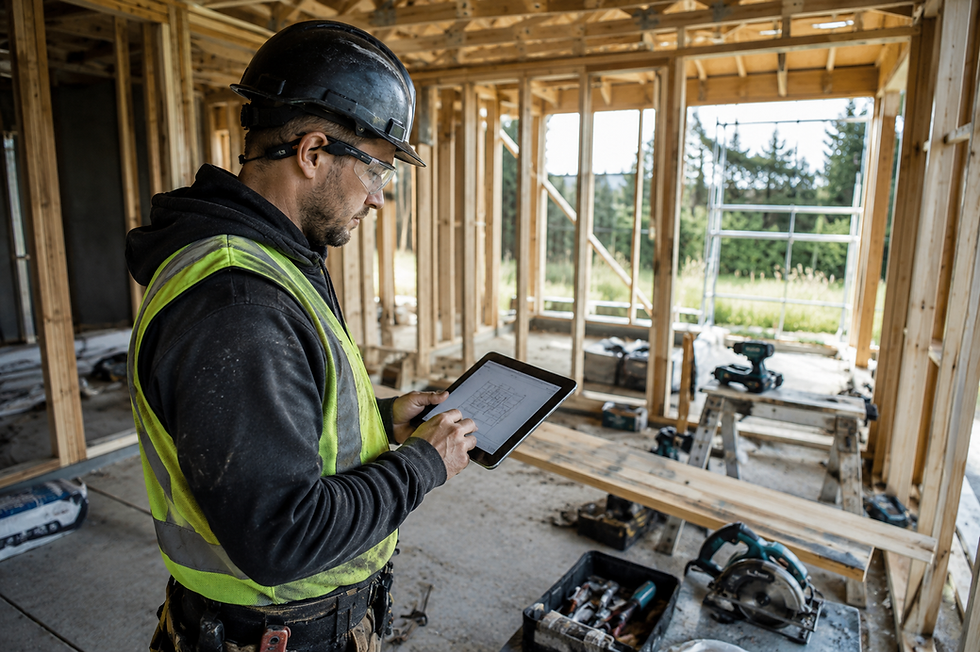
digital layout tools
smart measuring equipment
The modern jobsite is becoming increasingly data-driven, with tools and equipment providing real-time operational visibility that simply did not exist a few years ago.
For construction businesses, the benefits extend well beyond convenience:
improved productivity
reduced asset loss
lower maintenance costs
better fleet visibility
stronger operational control
improved site efficiency
Globally, construction technology is moving toward fully connected ecosystems where tools, software, logistics, and project management platforms work together seamlessly.
As these systems become more advanced and accessible, digitally connected equipment is likely to become standard across professional construction environments in the years ahead.
4. Digital Site Measurement & Reality Capture
Digital measurement technology is becoming far more accessible across the construction sector.
Tools such as:
laser scanning
drone mapping
3D site capture
digital layout systems
are helping improve accuracy while reducing costly rework.
Reality capture technology allows builders, engineers, and project managers to create highly accurate digital models of sites and structures in real time.
This improves:
planning accuracy
clash detection
renovation measurement
progress tracking
client communication
On larger international projects, these technologies are already standard practice. As pricing becomes more accessible, adoption across NZ construction is expected to accelerate.
Builders who embrace digital measurement early will likely gain significant advantages in efficiency and project coordination.
5. Smarter Building Materials & Systems
Construction materials themselves are evolving rapidly.
Globally, manufacturers are developing products designed to improve:
installation speed
durability
sustainability
thermal performance
compliance efficiency
Examples include:
advanced flooring systems
high-performance insulation products
engineered timber systems
lightweight cladding technologies
integrated waterproofing solutions
fire-rated panel systems
Builders are increasingly looking for systems that reduce labour complexity while still delivering strong performance outcomes.
As building codes tighten and efficiency expectations rise, product innovation is becoming a major competitive advantage across the industry.
The Industry Is Shifting
Construction has traditionally been slow to change — but that is no longer the case.
The combination of labour shortages, rising costs, digital transformation, and global innovation is accelerating change across every part of the building process.
For NZ builders, the opportunity is significant.
Businesses that stay informed and adapt early will be better positioned to improve efficiency, reduce risk, and remain competitive in a rapidly evolving market.
The future of construction is not just about building faster. It is about building smarter.

Comments